
There’s something powerful about a hot meal. It’s more than just calories—it’s comfort, stability, and sometimes even hope. That’s the spirit behind what Food For Friends is doing across Maryland. In a time when food insecurity remains a very real issue for thousands of families, local restaurants and volunteers have stepped up in a big way—helping turn donated meals into community lifelines.
The collaboration between small businesses and caring individuals isn’t just impressive—it’s vital. According to the USDA, nearly 1 in 8 households in the U.S. struggles with food insecurity. In Maryland, especially in underserved pockets of Prince George’s County, that number is even higher. Food For Friends is working to close that gap not just with food, but with dignity, consistency, and community connection.
How This Partnership Works Behind the Scenes
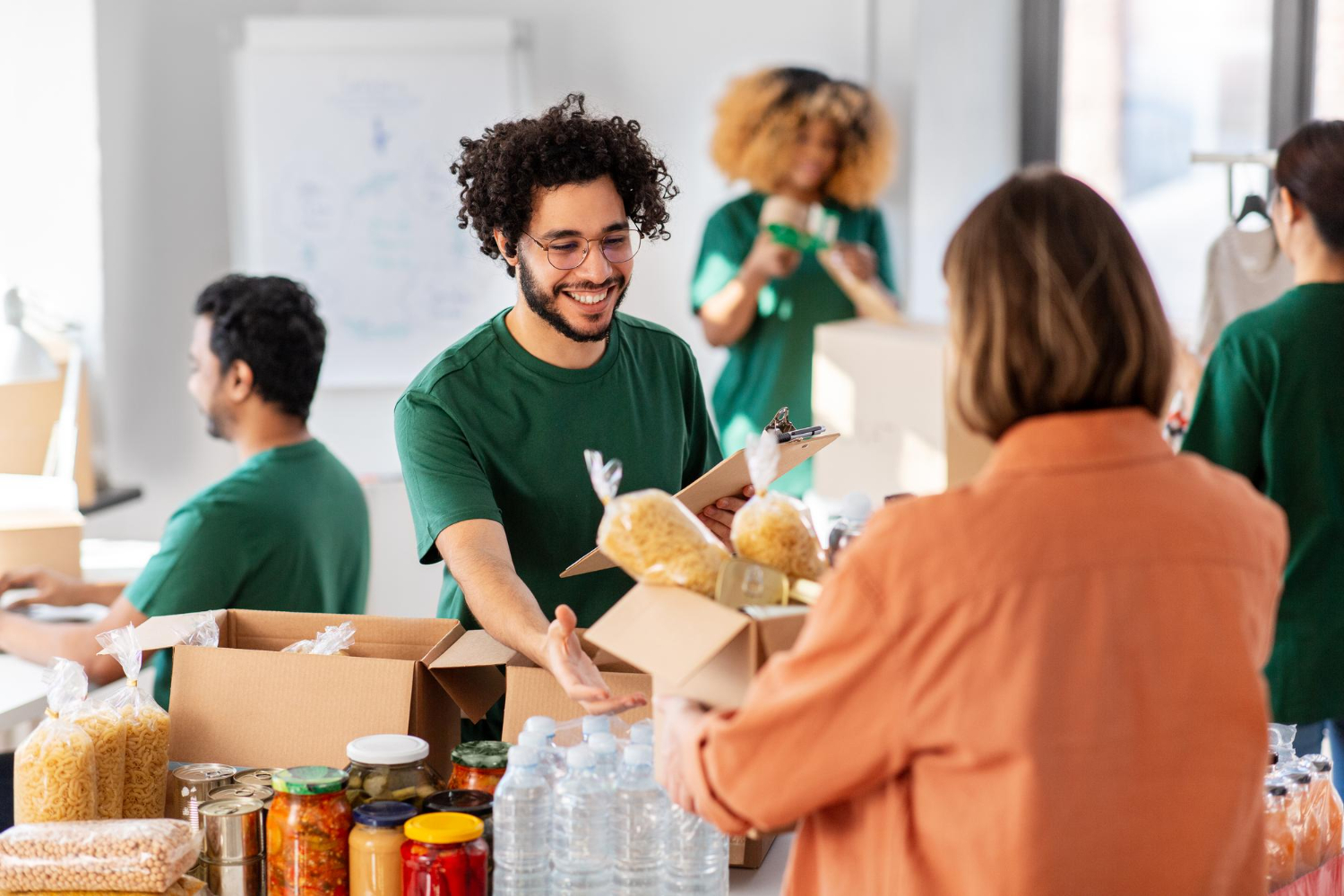
Here’s how it goes: local restaurants prepare meals, often at cost or through donations. Volunteers then step in to help distribute these meals to individuals and families who need them most—whether that’s through meal drop-offs or organized events. It’s a system built on generosity, with each link in the chain playing a critical role.
It’s not just about quantity—it’s about quality. Meals include hot, nutritious dishes that reflect care and thought, not leftovers. For many recipients, this kind of dependable support is what helps them push through difficult times. Whether it’s seniors on fixed incomes, single parents trying to make ends meet, or working families just scraping by, the meals serve as a much-needed relief.
Why This Approach Is So Effective
Unlike traditional food banks, this model creates a circular benefit: restaurants stay active and supported during economic downturns, and food insecure households receive ready-to-eat meals without the barriers of storage, prep, or equipment. For volunteers, it’s an opportunity to make an immediate impact, right in their own neighborhoods.
Studies from Feeding America show that meal-based outreach programs lead to greater participation and lower rates of food waste, especially in urban and suburban communities. Plus, the social connection between local business owners and residents builds something deeper than just service—it builds trust and unity.
This isn’t a handout. It’s a handshake. And it works because it taps into the strength of the local ecosystem: people who care helping neighbors who need a little support.
Want to get involved in making a real difference? Visit Who We Are to learn more about the mission, explore Ways You Can Help, become a Volunteer, or Contact Us to support the work Food For Friends is doing in Maryland communities every day.